


Best Things to Do in Vilnius: A Complete Guide
10 Best Things to Do in Vilnius
Looking for what to do in Vilnius? The charming capital of Lithuania is a city that feels like a beautifully illustrated storybook, where every cobblestone lane holds a tale. Famous for its sprawling Baroque Old Town—a UNESCO World Heritage site—Vilnius effortlessly blends medieval grandeur with a distinctly modern, creative, and bohemian spirit. This is a city of captivating contrasts: serene hilltop views overlook bustling creative districts; historic churches share streets with avant-garde galleries; and a deep, somber history coexists with a vibrant, forward-looking café culture. With its rich tapestry of Gothic, Renaissance, and Baroque architecture, its leaf-filled parks, and its welcoming, intellectual atmosphere, Vilnius offers a uniquely layered and profoundly welcoming Baltic experience that rewards the curious traveler.
From panoramic viewpoints and whimsical artistic republics to ancient castles, awe-inspiring churches, poignant museums, and lively artisan markets, planning your journey requires an understanding of the city’s soul. Here are the 10 best things to do in Vilnius, expanded with rich detail, local insights, and cultural context to help you craft a perfect and deeply immersive trip.
1. Explore Vilnius Old Town: A Living Museum of Architectural Splendor
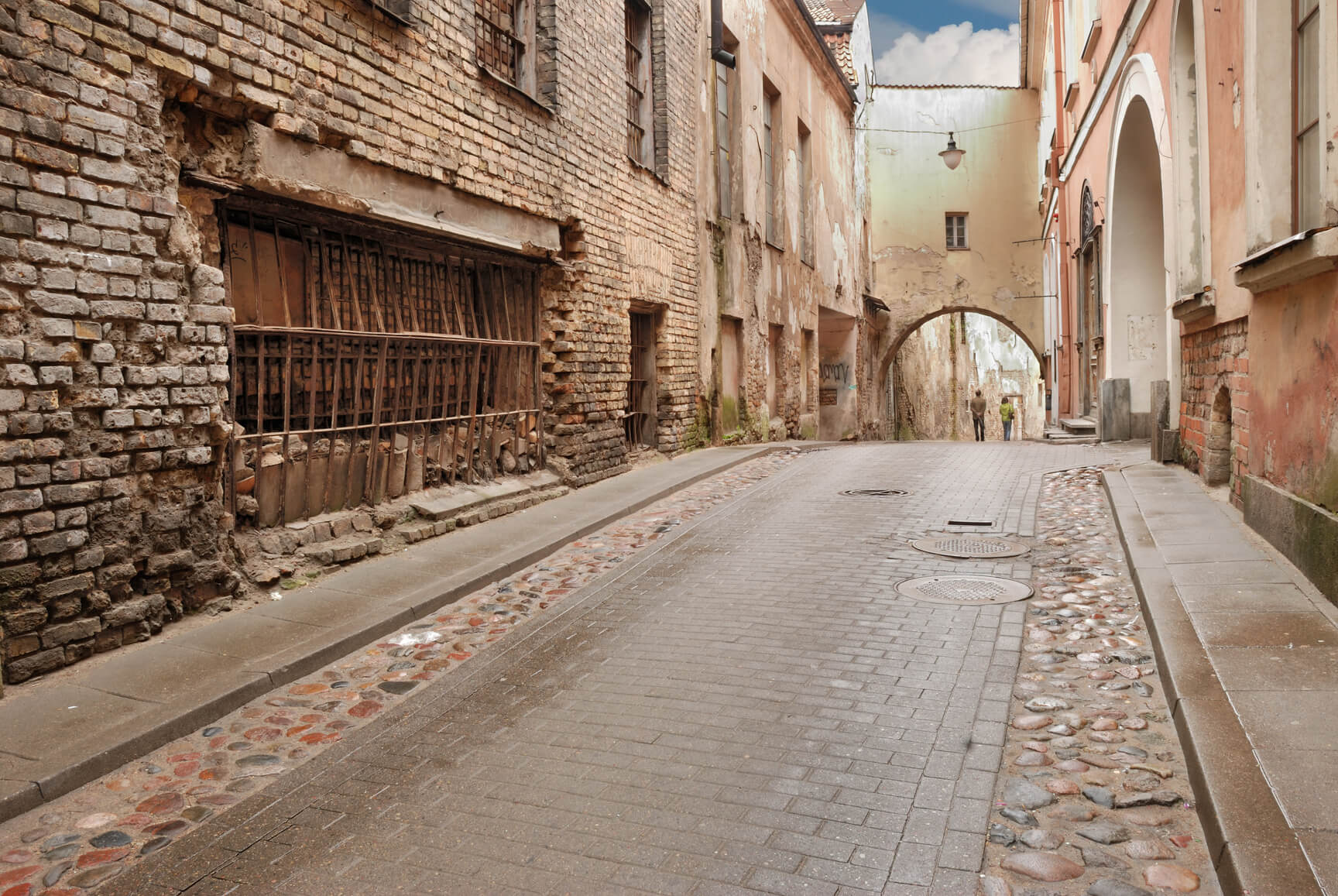
Vilnius Old Town is not merely a historic district; it is one of the largest surviving medieval old towns in all of Eastern Europe, a labyrinthine masterpiece where every turn reveals a new architectural marvel. Its cobblestone streets, worn smooth by centuries, weave past palaces in muted pastels, hidden courtyards, and an astounding concentration of churches—nearly one for every day of the year. The area pulses with life, from the lively craft stalls and street musicians on Pilies Street, the oldest thoroughfare, to the scholarly calm of the Vilnius University courtyard, a Renaissance gem housing a 16th-century library. The heart of it all is Cathedral Square, an expansive space dominated by the majestic cathedral and its freestanding bell tower, historically used as a site for markets, protests, and celebrations.
To truly appreciate the Old Town, abandon strict itineraries and allow yourself to get pleasantly lost. Look up to admire ornate guild signs, baroque flourishes on rooftop pediments, and the subtle differences between the Gothic austerity of St. Anne’s Church and the flamboyant Baroque of the Church of St. Peter and St. Paul. Join a guided walking tour to uncover stories behind the façades—tales of grand dukes, mystical saints, and resilient citizens. As evening falls, the warm glow from cellar restaurants and cozy pubs invites you in, transforming the ancient streets into a scene of timeless enchantment. This unique blend of architectural preservation and vibrant contemporary life is what gives the Old Town its undeniable magic.
2. Climb Gediminas Castle Tower: The Birthplace of a City
Rising above the red rooftops on a forested hill, Gediminas Castle Tower is the enduring symbol of Vilnius and its literal founding place. According to legend, Grand Duke Gediminas dreamt of an iron wolf howling on this hill, a prophecy interpreted to mean he should build a great city here. The remaining brick tower is the last vestige of the Upper Castle, and the climb to its summit—whether by a steep, winding path or a convenient funicular—is rewarded with the single best panoramic view in the city. From the observation deck, the entire narrative of Vilnius unfolds beneath you: the serpentine curves of the Neris River, the patchwork of the Old Town’s terracotta roofs punctuated by church spires, and the modern skyline beyond.
Inside the tower, a compact but informative museum housed within its thick walls details the castle’s strategic importance and the history of the Grand Duchy of Lithuania, once the largest state in Europe. Artifacts, models, and interactive displays tell the story of its construction, destruction, and restoration. While the view is spectacular at any time, visiting for sunset is highly recommended. As the sun dips below the horizon, painting the sky in hues of orange and purple and the city lights begin to twinkle, you’ll understand why this spot has been sacred for centuries. It’s a perfect place to grasp the geographical and historical lay of the land at the start of your visit.
3. Visit the Republic of Užupis: A Bohemian State of Mind
Just across the Vilnia River from the Old Town lies Užupis, a tiny, self-proclaimed independent republic that embodies Vilnius’s artistic and free-thinking soul. Much more than a district, it’s a state of mind with its own flag, currency, president, cabinet of ministers (often comprised of local artists and poets), and a constitution that celebrates life’s simple, profound truths. Translated into over 30 languages and displayed on mirrored plaques along Paupio Street, its articles include gems like “Everyone has the right to love,” “A dog has the right to be a dog,” and “Everyone has the right to understand nothing.” This spirit of gentle anarchy and creative freedom permeates the area’s graffiti-covered walls, quirky sculpture gardens, intimate art galleries, and artisan workshops.
The centerpiece is the bronze Angel of Užupis, blowing a trumpet from a column, symbolizing the rebirth and artistic freedom of the neighborhood. Wander the quiet, riverside paths, peek into the bustling Užupis Art Incubator, and enjoy a coffee at one of the eclectic cafés where the constitution is often the main topic of conversation. The district truly comes alive on Užupis Independence Day (April 1st), a day of joyous, tongue-in-cheek celebration. Visiting Užupis offers a delightful and necessary counterpoint to the grand history of the Old Town, showcasing the city’s contemporary, humorous, and deeply humanistic character.
4. Explore Vilnius Cathedral & Cathedral Square: The Spiritual and Civic Heart
Vilnius Cathedral, with its striking neoclassical portico of six Doric columns and pristine white façade, stands as the nation’s premier Catholic church and a powerful symbol of Lithuanian identity. Its current appearance belies a complex history—archaeological excavations beneath the floor reveal the foundations of earlier pagan temples and Christian churches, layering centuries of faith. Inside, the spacious, light-filled interior holds over 40 artworks and chapels, including the revered Chapel of St. Casimir, the patron saint of Lithuania, with its exquisite marble and frescoes. The separate bell tower, once part of the city’s defensive walls, offers another superb vantage point over the square.
Cathedral Square itself is the city’s living room, a vast, open space that has witnessed coronations, Soviet parades, and the peaceful singing revolution that helped restore independence. It’s a place for locals to meet, for children to chase pigeons, and for the city to gather during festivals, Christmas markets, and national celebrations. The subtle “Stebuklas” (Miracle) tile embedded in the pavement near the cathedral marks the end of the 1989 Baltic Way human chain, a poignant reminder of the non-violent struggle for freedom. A visit here connects you to both the deep spiritual history and the recent triumphant history of Lithuania.
5. Walk up to the Hill of Three Crosses: A Monument to Memory and View
The three stark white concrete crosses atop this steep, pine-covered hill are one of Vilnius’s most iconic silhouettes. Originally wooden, the crosses commemorate a group of Franciscan monks martyred here in the 14th century, according to local lore. Destroyed and rebuilt several times throughout history—most notably torn down by Soviet authorities in 1950 and defiantly resurrected in 1989—they have become a potent symbol of Lithuanian faith, resilience, and national endurance. The hike to the summit is a short but invigorating walk through a beautiful park, with stone steps and paths leading upward.
The reward for your effort is a breathtaking, 360-degree panoramic view that rivals that from Gediminas Tower, but with a different perspective. From here, you look down upon the Old Town, the zigzagging river, and the district of Užupis directly below. It’s a wonderfully peaceful spot, ideal for contemplation and photography. Sunrise and sunset are particularly magical times to visit, as the low light bathes the city and the crosses themselves seem to glow from within. The Hill of Three Crosses provides not just a visual panorama, but a poignant lesson in how monuments can embody a nation’s spirit.
6. Visit St. Anne’s Church: A Gothic Masterpiece in Brick
St. Anne’s Church is universally acclaimed as a jewel of Flamboyant Gothic architecture, a building of such delicate and harmonious beauty that it is said to have stopped Napoleon in his tracks. The legend holds that the French emperor, upon seeing it during his 1812 campaign, expressed a wish to carry it back to Paris “in the palm of his hand.” Its façade is an astonishing symphony of red brick, comprising 33 different shapes of brick woven into intricate patterns of pinnacles, arches, and towers. The result is a structure that appears both monumental and lace-like, solid yet soaring.
While the exterior is the main attraction, the interior, remodeled in a Baroque style, offers a contrasting warmth. The church is part of a larger complex that includes the equally impressive, though less ornate, Bernardine Church next door. The best view of St. Anne’s is from the small square in front or from across the Vilnia River. Its survival through wars and periods of turmoil feels like a minor miracle, and it remains a functioning house of worship. Simply standing before it, admiring the craftsmanship of unnamed 16th-century masons, is a highlight of any architectural tour of Vilnius.
7. Explore the Museum of Occupations & Freedom Fights: A Harrowing Journey into the 20th Century
Housed in the former KGB headquarters, this is not an easy museum to visit, but it is an essential one for understanding modern Lithuania. Known locally as the “KGB Museum,” its power lies in its authenticity: this is the very building where the Soviet secret police imprisoned, interrogated, tortured, and sentenced thousands of Lithuanians to deportation or execution. The exhibitions guide you through the brutal periods of Soviet and Nazi occupations, but the most chilling part is the basement prison. Walking through the restored isolation cells, execution chamber, and the cold, narrow corridors is a visceral, somber experience.
Personal stories, photographs, letters, and artifacts ground the overwhelming statistics in human tragedy and extraordinary courage. The museum doesn’t shy away from difficult history, including the Holocaust and local collaboration, presenting a nuanced and painful narrative. A visit here provides crucial context for the joy and pride evident in Vilnius today, illustrating the immense price paid for the freedom the city now enjoys. It’s a profoundly moving and respectful memorial that demands contemplation and leaves a lasting impression.
8. Wander through Bernardine Garden: A Picturesque Urban Retreat
Located at the foot of the Hill of Three Crosses and bordering the Vilnia River, Bernardine Garden is the oldest public park in Vilnius and a beloved green oasis for both locals and visitors. Originally the garden of a Bernardine monastery, it was redesigned in the 19th century in the English landscape style, creating a perfect blend of curated beauty and natural charm. Meandering paths lead past colorful flowerbeds, decorative fountains, a charming pond with a fountain, and romantic bridges. Scattered throughout are sculptures, a playground, and plenty of benches perfect for people-watching or reading a book.
The garden serves as a peaceful interlude between sightseeing, offering a moment to relax to the sound of rustling leaves and chirping birds. In the summer, it becomes a social hub, with open-air concerts, dance lessons, and families enjoying picnics. The views of St. Anne’s Church and the Bernardine Church from within the garden are particularly photogenic. Whether you visit in the vibrant bloom of spring, the lush green of summer, or the golden hues of autumn, Bernardine Garden provides a tranquil, picturesque escape in the very heart of the city.
9. Visit the Gates of Dawn: A Sacred Portal
The Gates of Dawn is the last remaining of nine city gates that once punctuated Vilnius’s defensive walls, and it is unique in housing an active, deeply venerated chapel. For centuries, it has been one of the most important Catholic pilgrimage sites in the region. Pilgrims and visitors alike climb the narrow staircase to the small, ornate chapel to pray before the miraculous icon of the Blessed Virgin Mary, Mother of Mercy. The painting, adorned in silver and gold, is believed to have protective and healing powers, and its serene, graceful face has watched over the city since the 16th century.
The atmosphere inside is one of hushed reverence, thick with the scent of candles and the whispered prayers of the faithful. Whether you are religious or not, the palpable sense of devotion and history is moving. The gate itself, with its defensive portcullis still visible, is a fascinating historical artifact, while the chapel above represents the unbroken spiritual thread of the city. It’s a site that beautifully encapsulates the layers of Vilnius: military, spiritual, and community-focused, all in one structure.
10. Enjoy Vilnius’s Cafés, Traditional Cuisine & Nightlife: A Taste of Baltic Warmth
To know Vilnius is to partake in its thriving café culture and savor its hearty, rustic cuisine. The city is dotted with cozy, independently-owned coffee shops—often tucked into cellar vaults or graced with sunny courtyards—where lingering over a expertly brewed coffee and a slice of šakotis (a traditional “tree cake”) is a cherished pastime. When it comes to food, Lithuanian fare is comforting and deeply connected to the land. Must-try dishes include cepelinai (zeppelins), massive potato dumplings stuffed with meat or curd; šaltibarščiai, a refreshing cold beetroot soup served with hot potatoes; and crispy fried bread with cheese.
Neighborhoods like the Old Town and Užupis are brimming with restaurants ranging from traditional taverns, like Senoji Trobelė, to innovative modern bistros reinterpreting Baltic ingredients. As evening falls, Vilnius reveals a vibrant and diverse nightlife. The craft beer scene is exceptional, with local breweries and pubs offering a wide range of ales and lagers. You’ll find everything from sophisticated cocktail bars in hidden courtyards to lively pubs with live folk or jazz music. This warm, welcoming, and taste-focused aspect of Vilnius turns sightseeing into a full sensory experience, ensuring you leave not just with memories of sights, but with the flavors and atmosphere of the city.
Check monthly weather averages for
Latest Secret Flying deals to Vilnius
Toronto, Canada to Vilnius, Lithuania for only $663 CAD roundtrip
Cheap flights from Toronto, Canada to Vilnius, Lithuania for only $663 CAD roundtrip with Scandinavian Airlines.
View DealBangkok, Thailand to Vilnius, Lithuania for only $192 USD one-way
Cheap flights from Bangkok, Thailand to Vilnius, Lithuania for only $192 USD one-way.
View DealOslo, Norway to Vilnius, Lithuania for only €30 roundtrip
Non-stop flights from Oslo, Norway to Vilnius, Lithuania for only €30 roundtrip.
View Deal [adblockingdetector id="638efa67113bf"]