


Washington DC Food Guide
Food in Washington DC: What to Eat & Drink
Washington DC’s culinary landscape is a powerful, eclectic, and politically charged expression of America’s capital, where Southern hospitality, global diplomatic influence, a vibrant African-American heritage, and a relentless drive for innovation converge to create a cuisine defined by bold flavors, international scope, and a fascinating tension between tradition and modernity. As a city of transplants, diplomats, and policymakers, DC developed a food culture that is transient yet fiercely proud, governed by the rhythm of political seasons, the tides of lobbying budgets, and a sophisticated, highly educated populace. Shaped by its Mid-Atlantic location, its profound Black history, the culinary traditions of the U.S. South, and the gastronomic footprints of nearly every nation on earth (via embassies and international organizations), dining in DC is a celebration of half-smokes, Chesapeake Bay seafood, Ethiopian injera, Salvadoran pupusas, and haute cuisine, all served with a sense of occasion and intellectual curiosity. This is a city where food is both power lunch and community gathering, where mumbo sauce is a cultural icon, and where every meal is an opportunity to taste the complex layers of American identity and global connection.
Core ingredients like blue crab from the Chesapeake, corn, tomatoes, collard greens, peanuts, country ham, chicken, beans, and a cornucopia of international staples form the foundation. Dishes are characterized by bold, savory, and often smoky or tangy profiles, a mastery of slow-cooking (barbecue, braises) and baking, and a dynamic range from down-home comfort to globally inspired refinement. DC’s unique status as a non-state federal district created a cuisine without a strict regional identity, instead synthesizing influences from the surrounding Mid-Atlantic and South while embracing the world. Its identity is one of monumental marble and vibrant neighborhood corridors, where power steakhouses in the West End sit minutes from bustling ethnic enclaves. From a historic U Street soul food joint to a tasting-menu-only restaurant in a converted row house, eating in Washington DC is a compelling immersion into the nation’s political and cultural soul.
Local Specialties of Washington DC
Washington DC’s iconic dishes are a distinctive blend of local invention and regional influence. The Half-Smoke is the undisputed hometown street food: a coarse, spicy, half-pork, half-beef smoked sausage, grilled and served on a bun, famously “all the way” with chili sauce, onions, and mustard—best experienced at Ben’s Chili Bowl.
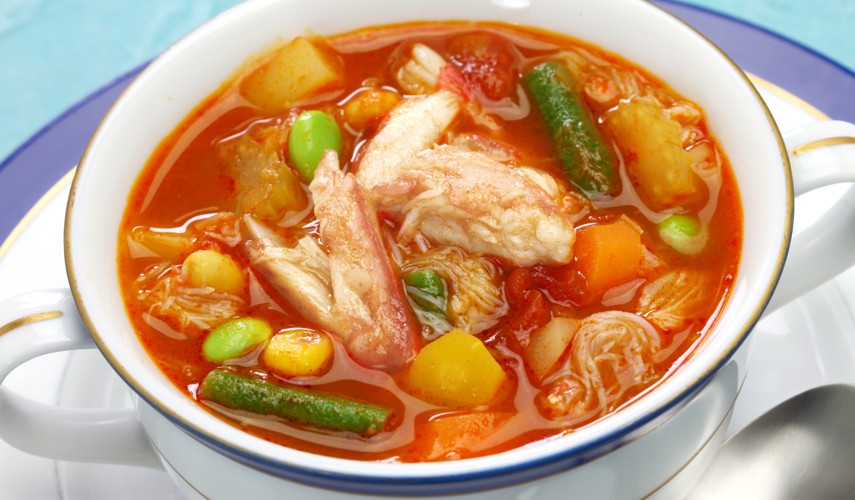
Maryland Blue Crab is the regional superstar, enjoyed steamed with Old Bay seasoning, in crab cakes (minimal filler!), or as a soft-shell crab sandwich. Mumbo Sauce is a sweet, tangy, and slightly spicy condiment (often compared to a fruity barbecue or sweet-and-sour sauce) that became a staple of DC’s carryout food culture, particularly with fried chicken wings.
She-Crab Soup is a rich, creamy bisque-style soup associated with the broader Chesapeake and Lowcountry region. Virginia Ham Biscuits reflect Southern influence: salty, aged country ham tucked into fluffy biscuits. Peruvian Chicken (pollo a la brasa) is a beloved DC-area staple, featuring rotisserie chicken paired with addictive green sauce (ají verde). Ethiopian Cuisine is world-class here, with dishes like doro wat (spicy chicken stew) and tibs (sautéed meat) served on sourdough injera—a result of a large and influential diaspora.
Salvadoran Pupusas (stuffed corn masa cakes) are ubiquitous and deeply comforting. Jumbo Slice is a late-night Adams Morgan institution: an absurdly large slice of pizza. Artisanal Doughnuts and Cupcakes have also played recurring roles in DC’s modern food trends.
Everyday DC & Mid-Atlantic/Southern Food
Breakfast can be a quick bagel or a hearty Southern-leaning spread. The power lunch is a core DC ritual, often a longer, more formal meal in a steakhouse or upscale restaurant. Dinner ranges from casual ethnic eating to fine dining, while weekend brunch is a competitive sport, frequently accompanied by long waits and lively patios.
The culture of the steakhouse (for deal-making), the neighborhood bistro, the ethnic corridor (for example, 9th Street’s Salvadoran concentration or the U Street/Shaw area’s historic Black dining legacy), the food hall (Union Market, The Wharf), and the food truck (notably the weekday lunch scene around downtown) is central. Eating is social, often business-adjacent, and increasingly adventurous. Service is typically professional, though lunch can feel time-pressured. Farm-to-table is a strong throughline, showcasing Virginia and Maryland farms. Meals are often paired with craft cocktails, local beer, or wine. The pace is fast during the week and more relaxed on weekends.
Cultural Fusion: Tidewater & Southern Roots, African-American Heritage & Global Embassy Influence
DC’s food foundation is rooted in the Mid-Atlantic and Tidewater South, with traditions centered on seafood, corn, pork, and slow-cooked greens. Its deep African-American heritage—particularly shaped by the Great Migration and the city’s historic neighborhoods—helped define soul food, carryout culture, and local flavor signatures, including the rise of mumbo sauce as an everyday icon.
Post-1965 immigration waves, especially from Ethiopia, El Salvador, Vietnam, and beyond, transformed the city’s palate. The presence of embassies and international institutions also supports a high bar for authenticity across global cuisines. This creates a DC table where you can taste a Chesapeake waterman’s crab cake, a U Street half-smoke, the complex spice architecture of Ethiopian stews, and Central American masa craftsmanship—often within a short Metro ride.
Craft Beverage Scene and Local Libations
Washington DC’s beverage scene is sophisticated and thriving. Craft cocktails are a major focus, with bars specializing in historical recipes, precise technique, and inventive contemporary builds.
Local distilleries producing gin, vodka, whiskey, and rye are well represented across the region. Craft beer from DC, Maryland, and Virginia (the “DMV” area) is hugely popular, supported by local breweries, taprooms, and beer gardens. Virginia wine, particularly from nearby Loudoun County and broader Virginia appellations, is increasingly respected (notably for Viognier and Cabernet Franc). The Rickey (gin or bourbon, lime juice, and soda water) is DC’s official cocktail. What distinguishes DC is the ease of moving from a meticulously built cocktail in a speakeasy-style bar to a local IPA in a lively, communal outdoor setting—refinement and casual sociability in one night.
International Dining and Contemporary Scene
As a global capital, Washington DC has one of America’s most authentic and diverse international dining scenes, with neighborhoods and corridors that function as culinary maps of migration. Ethiopian and Salvadoran dining are especially defining, and the city also offers strong Vietnamese, Korean, West African, and Middle Eastern options that can rival major gateway cities.
Modern American fine dining is exceptionally strong, with chefs excelling at hyper-seasonal Mid-Atlantic tasting menus, creative small plates, and serious technique. Yet the city’s soul remains in its hometown institutions (like Ben’s), its neighborhood taverns, and its vibrant ethnic corridors where value and authenticity are the point. The scene is less about fleeting trends and more about a confident blend of global range, political theater, and culinary excellence. For visitors, this means breadth and depth: iconic local classics alongside genuinely world-class cooking.
Food Customs and Practical Tips
Dress codes vary widely; business casual is a safe default for most nicer restaurants. Tipping is standard (18–20% for good service). Reservations are essential for popular spots, especially for power-lunch venues and weekend brunch. Many restaurants offer early fixed-price menus that can be good value.
For the quintessential experience, eat a half-smoke “all the way” at Ben’s Chili Bowl on U Street. Have a crab-focused meal—either in the city or by leaning into nearby Maryland/Virginia seafood traditions. Explore Ethiopian restaurants for a shared injera feast. Grab pupusas in neighborhoods with strong Central American presence. Don’t only dine downtown—many of the city’s best meals live in Shaw, 14th Street, Adams Morgan, H Street NE, and around Union Market.
Explore different areas: Shaw/U Street for historic institutions, Ethiopian, and the modern restaurant wave; 14th Street NW for the epicenter of DC’s dining renaissance; Union Market/NOMA for food halls and innovative concepts; The Wharf for seafood and views. Try both a historic institution and a Michelin-starred or Bib Gourmand-caliber restaurant to experience DC’s full spectrum. The Metro makes food neighborhood-hopping straightforward. Most importantly, embrace DC’s culinary spirit: it is powerful, diverse, intellectually engaged, and constantly evolving—a true taste of America’s national character on a plate.
This guide covers what to eat in Washington DC, from the half-smoke and mumbo sauce to Chesapeake blue crab, Ethiopian feasts, and modern American fine dining. Use it to plan your culinary journey to the heart of American power and culture.
Check monthly weather averages for
Latest Secret Flying deals to Washington DC
Malaga, Spain to Eastern USA from only €339 roundtrip
Cheap flights from Malaga, Spain to Eastern USA from only €339 roundtrip with Aer Lingus.
View Deal
Cancun, Mexico to Washington DC, USA for only $287 USD roundtrip
Cheap flights from Cancun, Mexico to Washington DC, USA for only $287 USD roundtrip with Aeromexico.
View Deal [adblockingdetector id="638efa67113bf"]