


Wellington Food Guide
Food in Wellington: What to Eat & Drink
Wellington’s culinary landscape is a vibrant, creative, and fiercely independent expression of New Zealand’s culinary capital, where unparalleled local produce, a pioneering coffee culture, a thriving craft scene, and a relaxed, windswept coastal vibe converge to create a cuisine defined by bold flavors, ethical sourcing, and a world-leading dedication to freshness and innovation. As the nation’s political and cultural heart—yet compact and walkable—Wellington developed a food culture that is both cosmopolitan and deeply community-oriented, governed by the rhythm of the coffee machine, the seasons of the surrounding farms and seas, and a fiercely proud “coolest little capital” mentality. Shaped by Māori heritage, British colonial foundations, Pacific Rim influences, and a post-1980s culinary revolution, Wellington’s cuisine is a celebration of grass-fed lamb and beef, sustainable seafood, artisan cheese, craft beer, and an astonishing array of globally inspired small plates, all served with informal excellence and a focus on provenance. This is a city where food is a central pillar of identity, where the flat white was arguably perfected, and where every meal—from a food-truck feast to a multi-course degustation—is an opportunity to taste the pioneering, ingredient-obsessed spirit of modern New Zealand.
Core ingredients like green-lipped mussels, Bluff oysters (in season), John Dory, snapper, grass-fed lamb and beef, free-range pork and poultry, kūmara (sweet potato), pāua (abalone), seasonal vegetables from the Wairarapa and Kāpiti Coast, mānuka honey, and a vast selection of artisan cheeses form the foundation. Dishes are characterized by clean, bright, and often umami-rich profiles, a mastery of simple, precise cooking that highlights the ingredient, and a balance between rustic heartiness and intricate, Asian-inflected flavors. Wellington’s unique geography—a compact city nestled between a dramatic harbour and rolling hills—fosters a tight-knit, collaborative food scene. Its identity is one of colorful wooden houses and modernist government buildings, where world-class cafés sit in alleyways next to craft breweries. From a hole-in-the-wall coffee bar on Cuba Street to a fine-dining restaurant with harbour views, eating in Wellington is an exhilarating immersion into the soul of a nation that takes its food and drink very seriously.
Local Specialties of Wellington
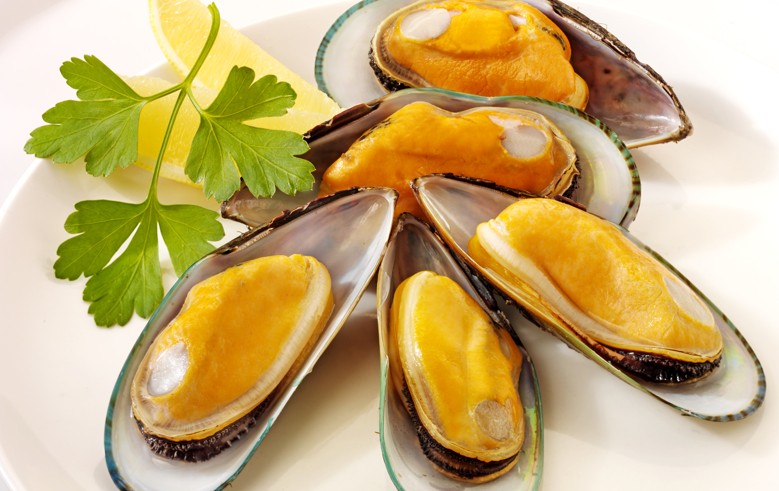
Wellington’s iconic dishes are a mix of national treasures and local innovations. Green-Lipped Mussels are a New Zealand icon, often steamed in a white wine, garlic, and herb broth, or served in chowder.
Bluff Oysters, when in season (roughly March–August), are a salty, creamy delicacy, best eaten fresh with just a squeeze of lemon. Lamb is a cornerstone, served as racks, slow-braised shoulders, or as classic roast lamb with mint sauce. Pāua Fritters are a Māori and Kiwi classic: minced pāua folded into batter and pan-fried.
Kūmara appears roasted, in salads, or as crispy fries. Whitebait Fritters are a seasonal (spring) delicacy of tiny translucent fish bound in a light egg batter and pan-fried. Cheese Rolls (“Southland sushi”) are a simple, addictive snack of grated cheese rolled in a slice of bread and grilled until crisp—a beloved comfort food. Hāngī is the traditional Māori method of cooking food in an earth oven, yielding tender meat and vegetables with a smoky, earthy depth (most commonly encountered via cultural experiences or special events).
Craft beer is a major local product, with Wellington often described as one of the country’s densest brewery cities. Flat white coffee is the city’s lifeblood and is treated with genuine seriousness. Wellington On a Plate (WOAP) and café culture are not dishes, but essential experiences—the former a city-wide festival, the latter a daily ritual.
Everyday Wellington & New Zealand Food
Breakfast and brunch are major events, often featuring expertly cooked eggs, avocado, halloumi, and locally smoked salmon in inventive cafés. Lunch is usually casual—a gourmet pie, sushi, dumplings, or a market salad. Dinner is the main social meal, typically built around shared plates, seasonal mains, and excellent local wine.
The culture of the specialty coffee café, the craft beer bar/brewery, the neighbourhood bistro, the food truck (especially around the waterfront and pop-up markets), and the casual fine-dining room is central. Eating is social, relaxed, and focused on quality. “Local” and “seasonal” are not just marketing lines; they are real consumer expectations. Service is friendly and informal but typically knowledgeable. The pace is unhurried—meals, especially brunch, are meant to be lingered over.
Cultural Fusion: Māori Base, British Settler Influence & Pacific Rim Innovation
Wellington’s food foundation lies in Māori traditions such as hāngī, seafood gathering, and the use of kūmara and wild greens. British colonization introduced the roast dinner, pies, and dairy farming, which evolved into the country’s world-class meat and cheese industries.
The late 20th and 21st centuries brought a Pacific Rim revolution, where chefs began pairing exceptional local ingredients with techniques and flavor profiles from Asia (notably Southeast Asia), the Mediterranean, and beyond. This creates a Wellington table where an earth-oven-cooked feast can sit comfortably alongside a Thai-green-curry-inspired pie or a Japanese-leaning plate of just-caught local fish—a cuisine driven by ingredients, technique, and curiosity more than rigid tradition.
Craft Beverage Scene and Local Libations
Wellington is a craft-beverage powerhouse. Specialty coffee is a religion: the flat white is the default, but espresso, filter, and cold brew are typically executed with precision at countless independent roasters and cafés.
Craft beer is legendary, with iconic breweries and taprooms such as Garage Project, Parrotdog, and Heyday Brewing anchoring a diverse scene that spans bright, aromatic IPAs to complex sours and rich stouts. New Zealand wine, while not necessarily grown in the city, is central to dining—expect standout Sauvignon Blanc (Marlborough), Pinot Noir (Central Otago and nearby Martinborough), and increasingly strong Chardonnay. Artisan gin and other spirits are booming, with local distillers using native botanicals like mānuka and kawakawa. Lemon & Paeroa (L&P) remains the iconic Kiwi soft drink—“world famous in New Zealand.” What distinguishes Wellington is the ritual: a perfectly made flat white to start the day, an afternoon hopping between taprooms, and a finish with local Pinot Noir in a candlelit bistro.
International Dining and Contemporary Scene
Despite its size, Wellington punches far above its weight in international dining, with excellent Vietnamese, Thai, Malaysian, Japanese, Indian, and Middle Eastern options that reflect a diverse and outward-looking city.
Modern New Zealand cuisine is Wellington’s pride: casual fine dining, shared plates, hyper-seasonal menus that can change daily, and an emphasis on ethical, traceable sourcing. The line between a top bistro and a fine-dining restaurant is often blurred. Yet the soul of Wellington dining remains in its unbeatable café culture, vibrant weekend markets (such as Harbourside Market), and unpretentious pubs that take food seriously. For visitors, this is the appeal: world-class quality delivered with laid-back accessibility.
Food Customs and Practical Tips
Dining is almost universally casual; smart-casual is fine even for many of the best restaurants. Tipping is not expected, but it is appreciated for exceptional service (roughly 5–10% if you choose). Book ahead for weekend brunch and for sought-after dinner reservations, especially during festival periods.
For the authentic experience, go on a coffee crawl along Cuba Street and nearby lanes (including the Leeds Street area). Do a craft beer tour of the city’s taprooms—many are walkable in the central city. Visit Harbourside Market on Sunday morning for produce, street food, and atmosphere. Eat a gourmet meat pie from a proper bakery, and don’t miss the chance to try a tasting menu to experience the pinnacle of modern NZ cooking.
Explore different areas: Cuba Street for bohemian cafés and eclectic eateries; Hannahs Laneway & Leeds Street for hidden cocktail bars, breweries, and inventive restaurants; the waterfront for casual dining with views and pop-up markets; Courtenay Place for a busier, more mainstream restaurant-and-bar strip. Try both a world-class café breakfast and a degustation dinner. Be prepared for changeable weather and the famous Wellington wind, but also an exceptionally walkable city center. Wellington offers outstanding quality, though it can be pricey. Most importantly, embrace its culinary spirit: creative, collaborative, unpretentious, and fueled by a deep love for extraordinary coffee, beer, and ingredients—a true taste of New Zealand’s innovative heart.
This guide covers what to eat in Wellington, New Zealand, from green-lipped mussels and craft beer to hāngī, the perfect flat white, and modern NZ cuisine. Use it to plan your culinary pilgrimage to the world’s coolest little capital.
Check monthly weather averages for
Latest Secret Flying deals to Wellington
SUMMER: Dallas, Texas to Christchurch or Wellington, New Zealand from only $694 roundtrip
Summer flights from Dallas, Texas to Christchurch or Wellington, New Zealand from only $694 roundtrip with Fiji Airways.
View DealNon-stop from Australian cities to New Zealand from only $260 AUD roundtrip (Nov-Mar dates)
Non-stop flights from Australian cities to New Zealand from only $260 AUD roundtrip with Jetstar.
View DealSingapore to Wellington, New Zealand for only $442 USD roundtrip
Cheap flights from Singapore to Wellington, New Zealand for only $442 USD roundtrip with Qantas.
View Deal [adblockingdetector id="638efa67113bf"]