


Yangon Food Guide
Food in Yangon: What to Eat & Drink
Yangon’s culinary landscape is a vibrant, complex, and deeply aromatic expression of Myanmar’s cultural and commercial heart, where the foundational flavors of Bamar cuisine, influences from India, China, and the country’s many ethnic groups, and a distinctive colonial legacy converge to create a cuisine defined by bold balance, layered textures, and a central role in social life. As the former capital and the nation’s largest city, Yangon developed a food culture that is both proudly traditional and richly cosmopolitan, governed by the rhythm of bustling tea shops, the communal sharing of curries, and the tropical climate that favors fresh, bright, and sour notes. Shaped by its position as a major port, the legacy of British India, large Indian and Chinese communities, and Buddhist food customs, Yangon’s cuisine is a celebration of rice, fermented fish products, aromatic herbs, tangy tamarind, savory teas, and an astonishing variety of salads, all served with a warmth that is unmistakably Burmese. This is a city where food is the fabric of daily life, where the tea shop is the social hub, and where every meal offers a taste of Myanmar’s layered and captivating soul.
Core ingredients include rice (especially fragrant pawsan), ngapi (fermented fish or shrimp paste), freshwater and saltwater fish, chicken, pork, lentils, chickpeas, tamarind, turmeric, chili, garlic, ginger, shallots, lemongrass, cilantro, mint, and a wide range of tropical fruits and vegetables. Dishes are defined by a careful interplay of salty, sour, bitter, spicy, and umami flavors, a mastery of frying and simmering, and a strong emphasis on texture, particularly in salads. Yangon’s colonial history created a city where Indian-style curries and breads sit comfortably alongside classic Bamar noodle soups. From a 24-hour tea shop to a riverside restaurant serving Mon-style dishes, eating in Yangon is an immersive journey into a cuisine still largely undiscovered by the wider world.
Local Specialties of Yangon
Yangon’s iconic dishes reflect Myanmar’s diversity, centered on rice, noodles, and salads. Mohinga is widely regarded as the national dish: a rich, herbal fish-based rice noodle soup flavored with lemongrass, banana stem, and ngapi, topped with crispy fritters, boiled egg, and herbs. It is most commonly eaten for breakfast.
Laphet Thoke (tea leaf salad) is Myanmar’s most distinctive dish, combining fermented tea leaves with crunchy beans, nuts, sesame seeds, tomatoes, and cabbage for a uniquely tangy, savory, and textural experience.
Shan-style noodles originate in eastern Shan State and are hugely popular in Yangon. They feature rice noodles in a lightly spicy tomato-and-meat sauce, finished with peanuts and pickled vegetables. Ohn No Khao Swè is a creamy coconut chicken noodle soup, enriched with chickpea fritters and finished with lime.
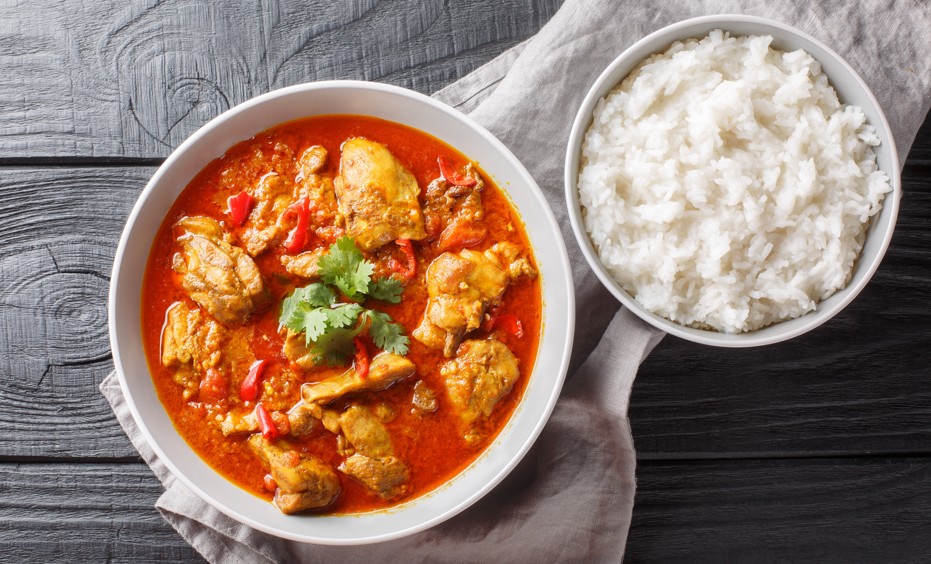
Burmese curry (hin) is central to everyday meals. Curries are typically oil-based rather than creamy and are served with rice, a light broth (hin jo), and an array of fresh and blanched vegetables. Nan Gyi Thoke is a salad of thick rice noodles tossed in a rich, curry-style chicken dressing.
Samusa Thoke is a popular salad made from chopped samosas mixed with onions, cabbage, and a tangy dressing. Street snacks such as bein mont (sweet rice pancakes), kyaw (savory fritters), and mont lin mayar (“husband and wife” quail egg snacks cooked in a special pan) are found everywhere.
Everyday Yangon & Burmese Food
Breakfast is often mohinga or other noodle soups from street vendors or tea shops. Lunch is typically a rice plate with several curries from a htan tamin (rice and curry canteen). The tea shop (laphet yay) is the heart of social and business life, serving tea, snacks, Chinese-style buns, and simple meals throughout the day and night.
Dinner often mirrors lunch, with shared curries and salads eaten communally. Eating is rice-centric and highly social. Service at local spots is fast and informal. Salads (a thoke) are essential; almost any ingredient can be transformed into one. Meals are accompanied by green tea, local beer, or soft drinks, and the pace is relaxed, especially in tea shops where people linger for hours.
Cultural Fusion: Bamar Base, Mon, Indian & Chinese Influences
Burmese cuisine is rooted in Bamar traditions built around rice, fish, and ngapi. Mon influence introduced coconut-based dishes, while Indian migration—especially during British rule—brought curries, breads, biryanis, and samosas.
Chinese communities added noodle dishes and stir-frying techniques, while British influence reinforced tea culture. The result is a Yangon table where Bamar fish curry, Mon coconut noodles, Indian-inspired biryani, and Chinese-style stir-fries coexist naturally, reflecting the city’s layered history.
Craft Beverage Scene and Local Libations
Yangon’s beverage culture revolves around tea shops and beer stations. Burmese milk tea (laphet yay) is strong, sweet, and creamy, served in small glasses and consumed throughout the day.
Local beer such as Myanmar Beer and Dagon Beer is popular, often enjoyed at open-air beer stations with grilled snacks. Palm wine (htan yay) is a mildly fermented traditional drink tapped from toddy palms. Fruit shakes made from mango, avocado, or sugarcane are refreshing staples. Green tea is usually provided free at restaurants, and locally produced spirits are common. What defines Yangon is the ritual of lingering at a tea shop, ordering multiple rounds of tea and small plates while chatting or conducting business.
International Dining and Contemporary Scene
As Myanmar’s most international city, Yangon offers a wide range of foreign cuisines, including excellent Indian, Chinese, Thai, Korean, Japanese, and Western restaurants catering to diplomats, NGO workers, and a growing middle class.
Modern Burmese and fusion cuisine is an emerging trend, with some chefs reinterpreting traditional dishes in contemporary settings. Still, the soul of Yangon’s dining scene remains in its street food, tea shops, and rice-and-curry canteens. For visitors, this offers an authentic and affordable way to explore a rich culinary tradition that feels both familiar and uniquely Burmese.
Food Customs and Practical Tips
Dining is casual. Tipping is not traditionally expected but is increasingly appreciated in tourist-oriented restaurants. Eating with the right hand is customary, though spoons and forks are widely used. Leaving a small amount of food on your plate can signal that you are satisfied.
For an authentic experience, eat mohinga for breakfast at a busy local stall, spend time in a traditional tea shop to people-watch and snack, and try laphet thoke at least once. Visit a rice-and-curry canteen at lunchtime and point to the dishes you want. Busy street stalls with high turnover are generally safe and rewarding.
Explore different areas: Downtown for colonial-era tea shops and Indian food, Chinatown (19th Street) for evening barbecues and seafood, Bogyoke Market area for snacks and lunch spots, and Dala Township for a more local experience. Yangon offers exceptional value for food. Most importantly, embrace its culinary spirit: communal, bold, diverse, and centered on the simple pleasure of sharing tea and a meal—a true taste of Myanmar’s warm and complex heart.
This guide covers what to eat in Yangon, from mohinga and laphet thoke to Shan noodles, Burmese curries, and tea shop culture. Use it to plan your culinary journey to the gateway of Myanmar.
Check monthly weather averages for
Latest Secret Flying deals to Yangon
Stockholm, Sweden to Yangon, Myanmar for only €398 roundtrip
Cheap flights from Stockholm, Sweden to Yangon, Myanmar for only €398 roundtrip.
View DealBusiness Class from Taipei, Taiwan to East Asia from only $483 USD roundtrip (lie-flat seats)
Business Class flights from Taipei, Taiwan to East Asia from only $483 USD roundtrip with Malaysia Airlines.
View DealRome, Italy to Yangon, Myanmar for only €441 roundtrip (Mar-Jun dates)
Cheap flights from Rome, Italy to Yangon, Myanmar for only €441 roundtrip.
View Deal [adblockingdetector id="638efa67113bf"]