


Faulty component leads to production slowdown.
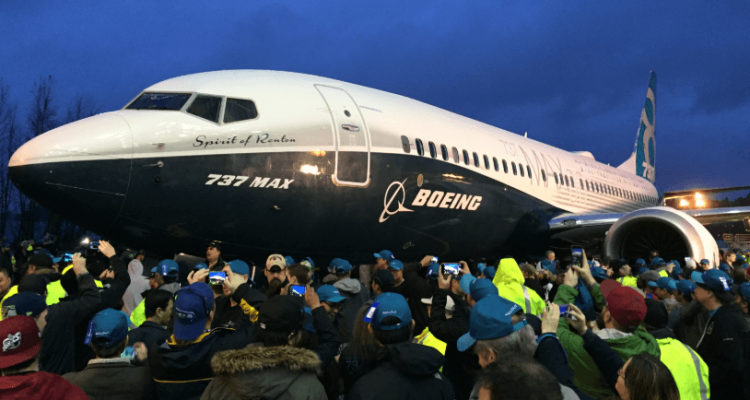
Boeing has encountered a new challenge with the production of its 737 MAX aircraft, as a faulty electrical junction box has caused a slowdown. This issue, affecting at least three planes that have already been delivered, is a pressing concern for Boeing’s new CEO, who recently took over the role.
Ray Goforth, Executive Director of Boeing’s engineering union, confirmed that the issue was first reported by a Seattle television station. Due to the extensive electrical wiring in the aircraft, it is difficult to pinpoint which specific junction boxes are problematic. However, aviation expert John Nance emphasised the urgency of addressing this fault.
Boeing has attempted to downplay the severity of the issue, stating that production continues at its 737 factory in Renton. The company acknowledged the problem, noting that they have identified non-conforming components in three delivered aircraft, which are being replaced. Boeing reassured that any necessary rework on planes still in production will be completed to meet all safety requirements before delivery.
Despite Boeing’s reassurances, Nance believes the company is making the right decision by potentially slowing down or halting production until the issue is fully resolved. He sees this approach as a positive shift towards ensuring thorough safety checks, rather than rushing production.
The Federal Aviation Administration (FAA) is closely monitoring the situation, with 16 open enforcement cases against Boeing—more than triple the usual number. This heightened scrutiny reflects ongoing challenges for Boeing, particularly with the 737 MAX, which has faced significant safety concerns in the past.
As Boeing’s new CEO navigates this latest setback, the company’s reputation and future production schedules hang in the balance. The aviation industry is watching closely to see how Boeing will manage this issue and whether it can restore confidence in its manufacturing processes.
 [adblockingdetector id="638efa67113bf"]