


Chinese airline sends back aircraft after tariff hike.
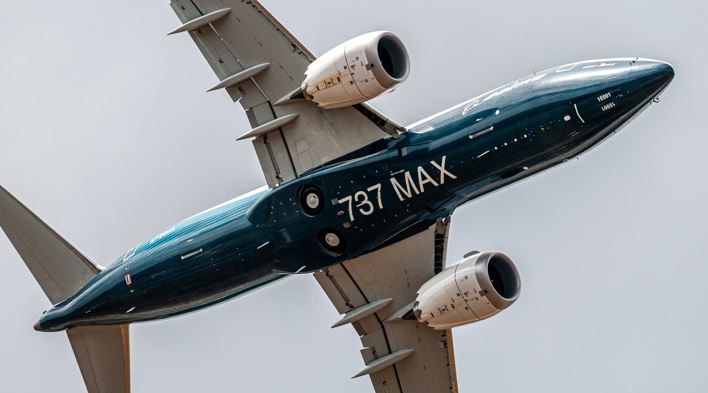
A Boeing 737 MAX originally destined for China’s Xiamen Airlines has been flown back to the United States, following an escalation in tariffs between the US and China initiated by US President Donald Trump.
The aircraft, still bearing the livery of Xiamen Airlines, landed at Boeing Field in Seattle on Sunday evening after making refuelling stops in Guam and Hawaii. The journey back spanned nearly 5,000 miles (8,000 kilometres), highlighting the extent of disruption caused by the trade conflict.
The returned plane was one of several awaiting final assembly and delivery at Boeing’s Zhoushan facility in China. These aircraft, part of Boeing’s most popular 737 MAX range, have been caught in the crossfire of retaliatory trade measures between the two superpowers.
Earlier in April, Trump’s administration raised tariffs on Chinese imports to 145%. In response, China imposed a 125% duty on certain American goods, including commercial aircraft. These measures have made it financially unfeasible for Chinese carriers to accept deliveries of American-built planes.
According to aviation analysts at IBA, a new 737 MAX typically costs around $55 million. With the new tariffs in place, the price for a Chinese airline could more than double. The Chinese government is now reportedly exploring ways to financially assist carriers leasing US aircraft, but no definitive measures have been confirmed.
Reports last week suggested Beijing had asked domestic airlines to halt purchases of aircraft parts and equipment from US firms such as Boeing. This move could significantly impact Boeing’s business, given that China represents approximately 20% of projected global demand for aircraft over the next twenty years.
As of the end of March, Boeing still had 130 jets scheduled for delivery to Chinese clients, including both airlines and leasing companies, according to Airways Mag. The current situation places many of these deals in jeopardy.
It remains unclear who made the final call to return the Xiamen aircraft to the US. Neither Boeing nor the airline had responded to media enquiries at the time of writing.
Just prior to the announcement of the new tariffs, Boeing CEO Kelly Ortberg appeared before a US Senate hearing, stating that 80% of Boeing’s planes are sold internationally. He warned against the danger of becoming locked out of major global markets.
Ortberg also revealed Boeing held a backlog of orders worth half a trillion dollars, but warned that shifting trade policies could delay or derail many deliveries.
Industry analysts note that confusion over changing tariffs may lead some airlines to defer aircraft deliveries. Ryanair’s CEO, Michael O’Leary, recently told the Financial Times that the carrier might delay receiving 25 new Boeing aircraft due from August in hopes that “common sense will prevail”.
 [adblockingdetector id="638efa67113bf"]