


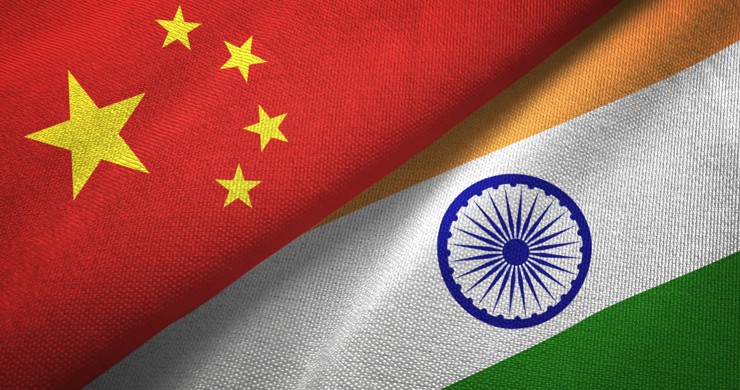
India and China resume direct flights after years.
India and China are set to restart direct flights for the first time in more than five years, marking a significant move in the gradual improvement of their strained relationship. The Indian Ministry of External Affairs confirmed the decision, highlighting it as a step towards rebuilding normal exchanges between the two countries.
The announcement follows years of suspension that began in 2020 after deadly clashes took place along the Himalayan border between the two neighbours. Those confrontations, particularly in the Galwan Valley, resulted in the deaths of at least 20 Indian soldiers and four Chinese personnel, leading to a freezing of ties and the grounding of all direct air connections.
However, both governments have taken measured steps over the past year to ease tensions. Senior officials have met several times to discuss border management and wider co-operation. These engagements have formed part of a broader attempt to rebuild the relationship and prevent further escalation along their disputed frontier.
India’s largest budget airline, IndiGo, announced it would begin operating a direct route between Kolkata and Guangzhou starting 26 October. According to India’s foreign ministry, the resumption of such services will enhance contact between the peoples of both nations and help restore broader bilateral interactions that were stalled after 2020.
The border separating the two countries stretches for more than 3,400 kilometres and remains poorly demarcated. This has been the root cause of repeated disputes over territory and sovereignty. In October last year, the two sides agreed on new patrol arrangements intended to reduce tensions and provide a framework for avoiding further skirmishes.
In addition to the renewed air links, there have been other signs of softening attitudes. China has allowed Indian pilgrims to visit religious sites within the Tibet Autonomous Region, while India reinstated visa services for Chinese visitors. Talks have also resumed on reopening trade routes through agreed mountain passes, a move seen as a confidence-building measure.
Geopolitical dynamics have also played a part. India’s trade disagreements with the United States, particularly during the Trump administration’s tariff disputes, encouraged Delhi to strengthen ties with Beijing. More recently, high-profile diplomatic exchanges have underscored this shift. Chinese Foreign Minister Wang Yi visited Delhi, urging both countries to view each other as partners rather than adversaries. Similarly, China’s ambassador to India criticised American tariffs, positioning China as a supportive counterpart to India’s economic interests.
In August, Prime Minister Narendra Modi attended the Shanghai Co-operation Organisation summit in China, his first visit in seven years. During the trip, he met President Xi Jinping, and both leaders reiterated their willingness to work towards normalising relations. The decision to resume direct flights is being widely interpreted as a practical and symbolic step that reflects this commitment.
 [adblockingdetector id="638efa67113bf"]