


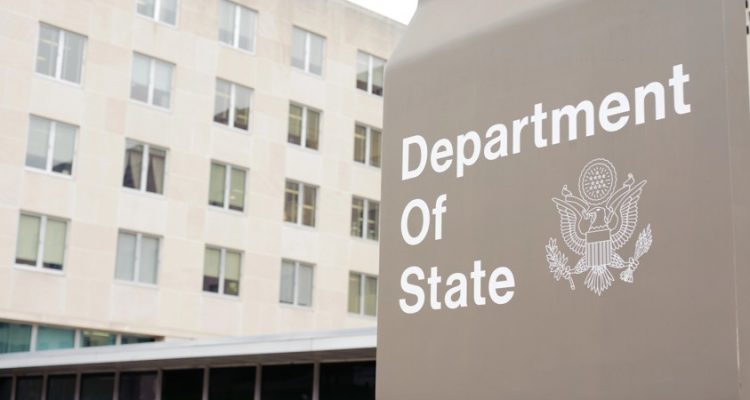
New visa bond policy draws heavy criticism.
The United States government has introduced a new visa bond scheme requiring tourists from selected countries to pay up to $15,000 as a condition of entry. Malawi and Zambia, both located in southern Africa, are the first to be subjected to the programme, which was announced by the State Department earlier this week.
This initiative is being implemented as a response to concerns over high rates of visa overstays by nationals from certain countries. Under the new rules, travellers from those nations will be obliged to deposit between $5,000 and $15,000 during their visa interview. The sum will be refunded if the traveller leaves the country before their visa expires, or if the visa is denied, cancelled, or the trip is called off.
However, if a tourist overstays their permitted time in the US, or submits an application for asylum or any other form of immigration relief, the government will retain the bond. The scheme is currently set to take effect for Malawi and Zambia from the 20th of August and is expected to extend to more countries over time.
According to State Department spokesperson Tammy Bruce, this “targeted, common-sense” action is intended to reinforce immigration compliance and discourage breaches of visa conditions. The policy aligns with the Trump administration’s renewed focus on strict immigration enforcement since Donald Trump returned to the presidency in January.
One of Trump’s first actions upon re-entering office was signing an executive order entitled “Protecting the American People Against Invasion.” It framed undocumented immigration as an urgent crisis and established the groundwork for measures like the visa bond scheme.
The bond requirement is part of a year-long pilot programme announced through a Federal Register filing, which refers to it as a tool to better implement US immigration laws. The Department of Homeland Security’s (DHS) 2024 report revealed 565,155 instances of visa overstays during fiscal year 2023, amounting to 1.45% of all temporary non-immigrant entries.
Although the percentage appears low, Malawi and Zambia were highlighted as having notably higher overstay rates — 14.3% and 11.1%, respectively. In that year, only 1,655 people from Malawi and 3,493 from Zambia entered the US for tourism or business purposes, with 237 and 388 individuals overstaying, respectively.
By contrast, much larger numbers came from more populous nations like Brazil and Colombia. These countries saw tens of thousands of overstays, with 20,811 and 40,884 individuals respectively exceeding their visa durations. Nonetheless, Malawi and Zambia are among the first targeted under the bond programme.
Critics have slammed the policy as discriminatory and economically punishing to citizens of less affluent nations. They argue it effectively erects a financial barrier to entry, even for those who intend to comply with visa regulations.
The Council on American-Islamic Relations (CAIR) strongly criticised the decision, branding it a form of institutional exploitation. In a statement, CAIR described the bond system as a “legalised shakedown” and accused the US government of leveraging immigration policy to penalise disadvantaged travellers from select countries.
Robert McCaw, CAIR’s director of government affairs, asserted that national security is not the driving factor behind the policy. Instead, he argued, the move represents a deliberate effort to monetise immigration enforcement and transform America’s image from a land of opportunity to one of exclusion.
Travellers from nations included in the US’s visa waiver programme are not affected by the new bond policy.
 [adblockingdetector id="638efa67113bf"]