


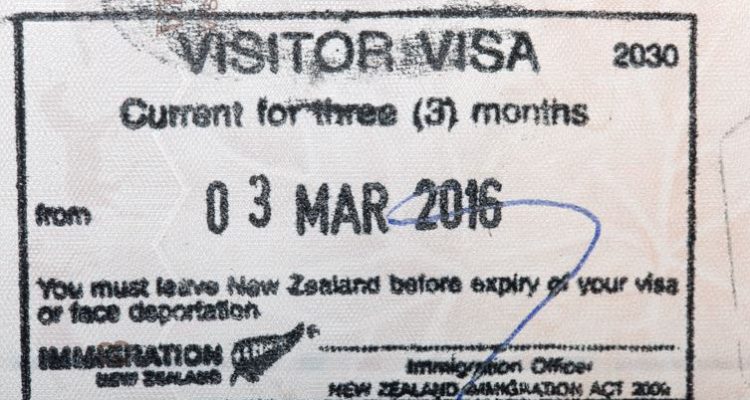
New Zealand raises visitor tax to boost economy.
New Zealand is planning a significant hike in its tourist entry tax, aiming to support economic growth and public services. However, concerns have been raised that the increased fees may discourage visitors.
From 1 October, the International Visitor Conservation and Tourism Levy will rise sharply from NZ$35 ($21.80) to NZ$100 ($62.29), nearly tripling its current cost. The government justifies the increase by stating that it will help fund public services and ensure that visitors continue to have access to high-quality experiences while in New Zealand.
The decision has sparked concern from Tourism Industry Aotearoa, the country’s independent tourism body. It argues that this sharp increase could make New Zealand a less attractive destination. The chief executive, Rebecca Ingram, has voiced concerns, stating, “New Zealand’s recovery in tourism is lagging behind the rest of the world, and this additional fee will further damage our competitiveness on the global stage.”
New Zealand is renowned for its natural beauty, Māori culture, and dramatic landscapes, such as glaciers, volcanoes, and lakes. However, its remote location in the South Pacific has always made travelling there an expensive venture, with long-distance flights posing a significant financial burden for many travellers.
The tourism levy was first introduced in 2019 as a response to the strain that increasing visitor numbers were putting on New Zealand’s infrastructure, environment, and local communities. The COVID-19 pandemic further disrupted tourism, as the country closed its borders for two and a half years, only reopening to international visitors in August 2022. Visitor numbers have yet to return to pre-pandemic levels, with just under three million international arrivals recorded in 2023, representing roughly 75% of the pre-pandemic figures.
Tourism Minister Matt Doocey remains optimistic, arguing that the levy increase is unlikely to significantly impact visitor numbers. He stated that NZ$100 would make up less than 3% of the average tourist’s overall spending during their stay, insisting that the country still offers competitive pricing compared to destinations like Australia and the UK. He expressed confidence that New Zealand will continue to attract international visitors.
However, the higher tourist levy will not apply to all visitors. Travellers from Australia and Pacific nations will remain exempt, which is notable since Australia is New Zealand’s largest source of tourists.
 [adblockingdetector id="638efa67113bf"]