


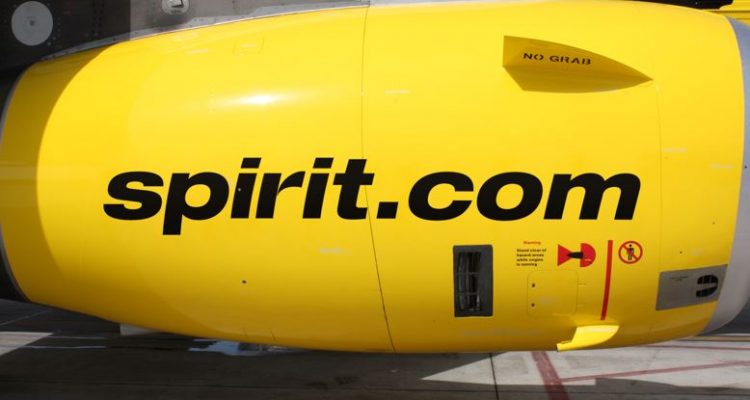
Low-cost airline collapses after years of financial strain.
A major chapter in the budget aviation sector came to an abrupt end as Spirit Airlines ceased operations after more than three decades in service. The airline, once recognised for its aggressive pricing model and bold marketing approach, confirmed that it had immediately halted all flights and begun a structured shutdown of its business.
The sudden closure left thousands of passengers stranded and disrupted travel plans across multiple regions. Customers were advised not to proceed to airports, as no staff or operational support would be available. Authorities indicated that refund mechanisms had been arranged for those who booked directly, while travellers who purchased tickets through third parties would need to pursue reimbursements via those providers.
Financial difficulties had been mounting for years, with Spirit reportedly losing billions since the global pandemic. Rising fuel costs, increasing operational expenses, and a heavy debt burden created a situation that proved unsustainable. Despite discussions of a possible government-backed rescue, no agreement materialised in time to prevent the collapse.
The airline had built its reputation on offering extremely low fares, often appealing to cost-conscious travellers willing to sacrifice additional comforts. At its peak, it operated hundreds of daily flights and maintained a workforce of approximately 17,000 employees. Its distinctive branding and no-frills approach significantly influenced pricing strategies across the broader airline industry.
In the final hours before the shutdown, operations appeared largely normal, with aircraft still transporting passengers and crews continuing scheduled duties. However, uncertainty had been circulating internally, and confirmation of the closure arrived suddenly, leaving employees and customers alike scrambling to respond.
Many staff members now face an uncertain future, although other airlines have indicated a willingness to assist displaced workers by offering expedited hiring opportunities. Meanwhile, competing carriers introduced limited-time discounted fares to accommodate affected passengers, though availability remains constrained.
The airline’s financial decline can be traced back to the aftermath of the pandemic, when demand fluctuations and increased costs placed pressure on its business model. Attempts to restructure through bankruptcy proceedings provided temporary relief but failed to deliver long-term stability. By the time of its final filings, liabilities had grown to substantial levels, further limiting recovery options.
Industry analysts suggest that the disappearance of a major low-cost operator could have wider implications. Reduced competition may lead to higher ticket prices, particularly on routes where Spirit previously held a strong presence. Budget travellers are expected to feel the impact most acutely, especially in key leisure markets.
The closure marks the end of a distinctive era in aviation, where ultra-low-cost carriers reshaped consumer expectations around pricing. While Spirit’s legacy includes making air travel more accessible to millions, its downfall highlights the vulnerability of business models heavily dependent on razor-thin margins and external economic conditions.
 [adblockingdetector id="638efa67113bf"]